Welcome to an exciting exploration of the dynamic duo that powers online visibility — SEO and content. Whether you're a business owner, marketer, or curious learner, understanding how these two elements work together can transform your digital presence.
"Today, we'll dive into the details of SEO (Search Engine Optimization) and how content plays a pivotal role in capturing attention, driving traffic, and building lasting relationships with your audience."
What Is SEO?
Search Engine Optimization (SEO) is the process of improving a website so that it can appear higher in search engine results for relevant keywords. SEO includes several important areas:
Keyword research
Finding the terms your target audience searches for.
On-page SEO
Optimizing titles, headings, content, URLs, images, and internal links.
Technical SEO
Improving website speed, crawlability, indexing, mobile usability, and technical structure.
Off-page SEO
Building authority through backlinks, mentions, and other external signals.
Local SEO
Improving visibility for location-based searches and local customers.
The goal is not simply to rank for keywords. Effective SEO should attract the right audience and turn website visitors into customers.
What Is Content Marketing?
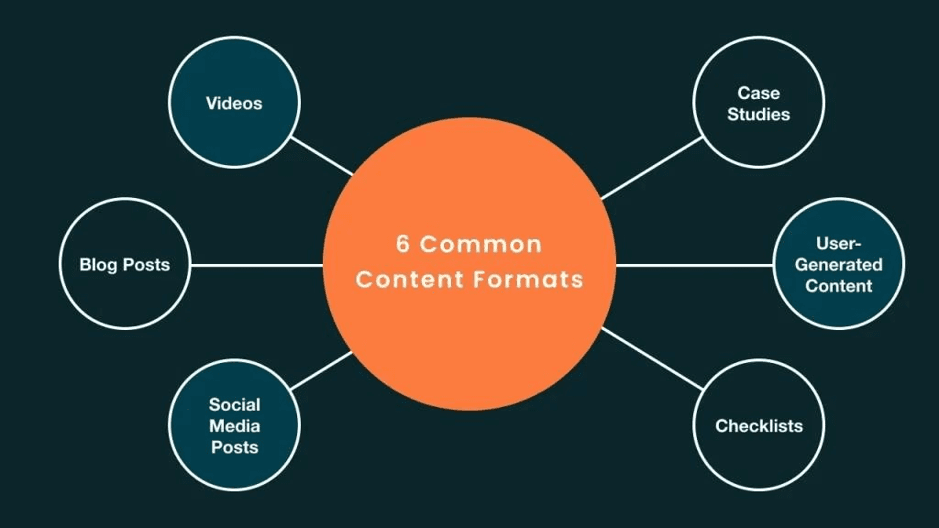
Content marketing involves creating and distributing useful, relevant, and valuable content for a specific audience. Content can include:
Blog posts
Case studies
Landing pages
- Social media posts
- Videos
Infographics
- Guides and tutorials
- Email newsletter
- Ebooks
- FAQs
Good content answers real customer questions,
solves problems, demonstrates expertise,
and guides users toward taking action.
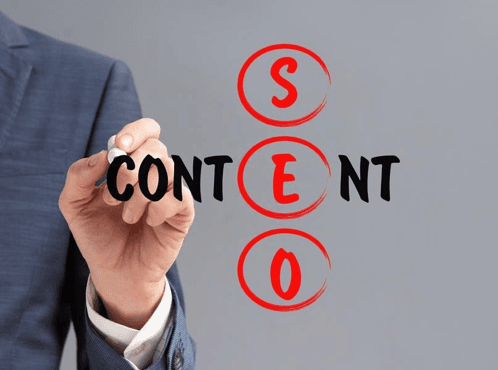
SEO & Content: Why the Two Can't Be Separated Anymore
Content isn’t just the words on your page — it’s the bridge that connects your audience’s needs with your brand’s solutions. Great content answers questions, solves problems, and engages readers, all while being optimized to catch the eye of search engines. Here’s how content fuels SEO:
Keyword Integration
Thoughtfully incorporating keywords helps search engines understand what your page is about without sacrificing readability.
Freshness and Relevance:
Regularly updated content signals to search engines that your site is active and authoritative.
Engagement Metrics
Quality content keeps visitors on your site longer, reducing bounce rates and increasing dwell time —positive indicators for SEO.
Link Building
Valuable content naturally attracts backlinks from other sites, boosting your domain authority.
Creating Content That Works for SEO
To harness the full power of SEO through your content, consider these best practices:
Understand Your Audience
Research what your audience is searching for and tailor your content to meet those needs.
Focus on Quality Over Quantity
A few well-crafted, informative pieces outperform countless thin or repetitive articles.
Use Clear, Engaging Headlines
Headlines should be descriptive, compelling, and include relevant keywords.
Optimize On-Page Elements
Use meta titles, descriptions, header tags, and image alt text effectively.
Structure Content for Readability
Break text into short paragraphs, use bullet points, and include visuals where appropriate.
Internal Linking
Guide visitors to related content within your site to increase session duration and improve SEO.
How do SEO and Content Marketing work Together?
SEO without useful content has limited value. Content without SEO may struggle to reach the right audience.
SEO
Helps people discover your content.
Content
Gives people a reason to stay, trust, and take action
For example, a software development company may target the keyword“custom software development company.”
Instead of simply repeating that keyword on a service page, the company can create supporting content such as:
What Is Custom Software Development?
Custom Software vs. Off-the-Shelf Software
How Much Does Custom Software Development Cost?
Benefits of Custom Software for Growing Businesses
How to Choose a Custom Software Development Company
This creates a content ecosystem around the main topic.
The Role of Different Content Types
Not all content is created equal in SEO strategy. Different formats serve different purposes and engage users in unique ways:
Blog Posts
Ideal for addressing trending topics, answering common questions, and attracting search traffic.
Long-Form Guides
Comprehensive resources that establish authority and get shared widely.
Videos and Infographics
Visual content boosts engagement and can improve time spent on your site.
Product Pages and Reviews
Essential for ecommerce sites, optimized to convert visitors into customers.
Measuring Success and Continuous Improvement
SEO and content marketing are ongoing efforts. Use tools like Google Analytics and Search Console to track performance metrics such as traffic sources, keyword rankings, and user behaviour.
Analysing this data helps refine your strategy, focusing on what works and adjusting what doesn’t. Remember, patience is key — SEO results build over time with consistent effort.
Why Choose Scalabox Technologies?
Choosing the right technology and digital marketing partner can make a significant difference to your business growth. Scalabox Technologies combines technology, AI, automation, web development, mobile applications, and digital marketing to help businesses build and grow their digital presence.
Partner with Scalabox Technologies?
If your business needs a technology partner that can connect software development, AI, automation, websites, mobile applications, SEO, content, and digital marketing, Scalabox Technologies offers an integrated approach.
“Build smarter. Automate better. Grow digitally with Scalabox Technologies.”
Frequently Asked Questions